
How to Write a Chef de Partie CV
- Job Hunting & CVs
- Nov 10
- Share post
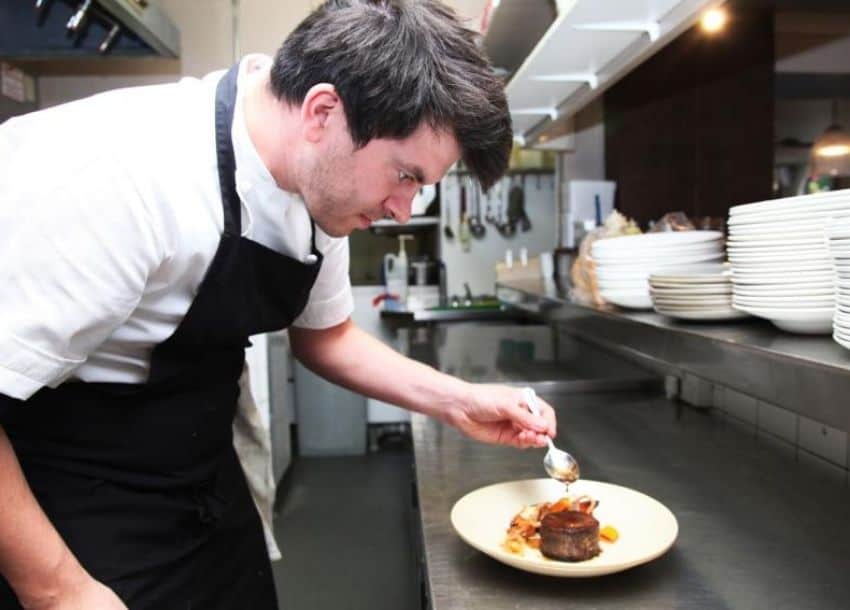
Learning how to write a chef de partie CV is essential if you want to stand out in a busy kitchen. Your CV isn’t just a list of places you’ve worked – it’s proof that you can lead a section, manage your prep and deliver consistent results under pressure.
This guide will help you create a chef de partie CV that gets noticed – clear, structured and packed with real examples to show you’re ready for your next move.
What does a Chef de Partie do?
A chef de partie – also called a station chef or line cook – is responsible for one specific area of production in the kitchen. Whether it’s sauce, grill, larder, pastry or fish, you run that section like your own mini-kitchen.
You’ll manage commis chefs, maintain standards and ensure every dish leaving your section meets the head chef’s expectations. It’s a vital link between junior chefs and the senior team – the point where technical skill meets leadership.
Employers want to see evidence that you can keep calm during service, communicate well and maintain consistency when the heat is on.
Why your Chef de Partie CV matters
Your chef de partie CV isn’t just about listing jobs – it’s your opportunity to demonstrate control, precision and pride in your craft.
Head chefs and hiring managers look for someone who can be trusted to handle their section without constant supervision. They want to see signs of initiative, good organisation and teamwork.
Think of your CV as your mise en place on paper: neat, efficient and ready for inspection.
How to write a Chef de Partie CV – key sections to include
A good chef de partie CV should be well-structured and easy to read. Keep it to two pages, maximum. Here’s what to include.
Contact details
Start with your name, phone number, email address and location. If you include a professional social profile or portfolio, ensure it reflects your kitchen experience. Keep it simple and clean.
Personal statement for a Chef de Partie CV
Your personal statement is a short introduction – three to five lines – that sums up your experience, section expertise and ambitions.
Example:
“Ambitious chef de partie with six years of experience across fine-dining and banqueting environments. Skilled in sauces, grill and larder sections with a passion for precision plating and mentoring junior chefs. Proven ability to stay calm under pressure while maintaining quality across every service.”
This section should show your personality and your professionalism at a glance.
Work experience
List your jobs in reverse order, starting with your current or most recent role. For each, include the restaurant or hotel name, your job title and the dates you worked there.
Focus on achievements and outcomes rather than listing duties. Use short, strong bullet points that prove your impact.
Example achievements:
- Managed a grill section serving 150 covers per service while maintaining quality and speed.
- Assisted the sous chef with menu development and daily specials.
- Reduced waste by 20 per cent through improved prep rotation and portion control.
- Trained two commis chefs to promotion within 12 months.
Older roles can be summarised more briefly, focusing on key skills gained.
Education and training
List your qualifications in reverse chronological order. Include culinary diplomas, apprenticeships, or relevant short courses.
Most chef de parties in the UK hold at least a Level 2 Food Safety & Hygiene certificate. Level 3 is preferred for supervisory roles.
If you have completed specialist training – such as butchery, fish preparation, allergen management, or advanced cooking – include it here.
Skills to highlight in a Chef de Partie CV
Show both your technical and soft skills. Use bullet points for clarity. Examples:
- Section leadership and time management.
- Menu development and plating standards.
- Stock control and supplier coordination.
- Food hygiene and allergen awareness.
- Mentoring and team collaboration.
- Multitasking and composure under pressure.
These skills show employers that you’re reliable, organised and ready to support the sous chef when needed.
Achievements and awards
Quantify success wherever possible. It helps employers picture your contribution. Examples:
- Increased section efficiency by 15 per cent after redesigning prep flow.
- Awarded Employee of the Month for exceptional teamwork.
- Supported menu launch that grew customer spend by 10 per cent.
Use simple numbers or percentages to demonstrate value wherever possible.
References
Include referee details or simply note “Available on request.” Always ask permission first.
Tips to make your Chef de Partie CV stand out
Recruiters may review dozens of CVs at once. Here’s how to ensure yours rises to the top.
- Tailor your CV to each role – fine dining, hotels and gastro pubs all look for different strengths.
- Keep formatting simple – clear headings, bullet points and standard fonts.
- Quantify results – numbers stand out faster than adjectives.
- Showcase leadership – mention mentoring or supervising experience.
- Proofread twice – small errors suggest a lack of care.
- Update regularly – add new courses, menu launches or awards.
How to write a Chef de Partie CV – common mistakes to avoid
Even strong chefs make simple CV errors. Avoid these if you want to look professional.
- Using one generic CV for every job.
- Listing duties instead of achievements.
- Forgetting hygiene or allergen certifications.
- Relying on fancy design templates that break ATS systems.
- Ignoring employment gaps or leaving dates incomplete.
- A clean, consistent layout always wins over complicated graphics.
Final thoughts
A chef de partie CV should do what great chefs do every day – balance discipline with creativity. Make sure your structure is sharp, your details are accurate and your achievements are measurable.
Think of it as your first impression before you even step into the kitchen. A well-written CV shows you care about standards, teamwork and presentation – the same qualities that make a great chef.
Keep it clear. Keep it relevant. And remember – precision on paper reflects precision on the plate.
–
FAQs
How long should a Chef de Partie CV be?
Keep it to two pages maximum. Hiring managers scan fast, so concise and relevant information always wins.
What skills are essential for a Chef de Partie?
Organisation, teamwork, time management and hygiene certification. Strong section knowledge and attention to detail are equally important.
Do I need formal qualifications for a Chef de Partie role?
Not always, but recognised culinary diplomas, apprenticeships, and hygiene certificates will strengthen your application. They show commitment to your profession and understanding of kitchen standards.
You might also find these useful:



Comments
Add a comment
Leave a Reply · Cancel reply
You must be logged in to post a comment.

