
Emotional Intelligence at Work: A Practical Guide for Chefs
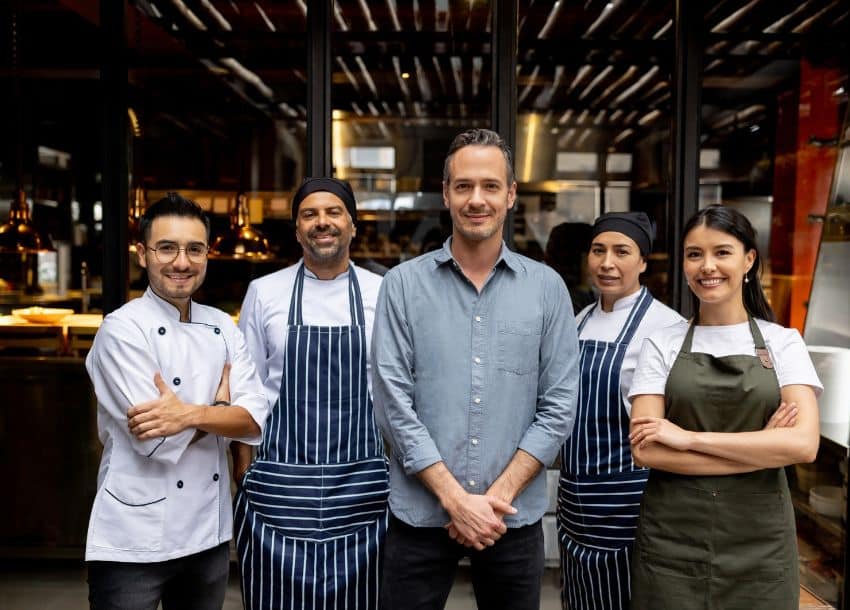
A practical guide to communicating clearly, staying calm, and leading well under pressure.
Key areas covered in this in-depth guide includes:
- Why emotional intelligence at work matters for chefs
- What emotional intelligence looks like during service
- Understanding your pressure triggers
- Staying calm when the heat rises
- Communicating so people can act
- Correcting mistakes without losing the room
- Reading the team, not just the tickets
- Building respect in the brigade
- Managing pressure from senior chefs
- Daily habits that improve emotional control
- Examples of emotional intelligence at work in a professional kitchen
- A quick self-check after shift
- Final thought
- Frequently asked questions
Why emotional intelligence at work matters for chefs
A chef can be technically brilliant and still create chaos if they lose control under pressure.
Emotional intelligence at work is the ability to recognise and manage your own emotions, understand how others are feeling and respond appropriately in different workplace situations. In a professional kitchen, this is particularly important when managing pressure, communicating during service and leading a brigade.
Skill matters. Standards matter. Speed matters. But in a busy kitchen, the way a chef manages themselves can affect the whole service. One sharp reaction, unclear instruction or public dressing-down can quickly spread tension across a section.
Emotional intelligence is not about becoming passive, soft or overly careful with every word. It is about having enough self-control and awareness to respond well when pressure rises.
In practice, that means staying clear when tickets stack up, correcting mistakes properly, keeping communication useful and understanding how your mood affects the people around you.
The best chefs are not always the loudest. They are often the ones who can hold standards without losing control.
What emotional intelligence looks like during service
In a kitchen, emotional intelligence is practical. It shows up in what you do when the heat goes up.
It is noticing when your own stress is starting to spill into your tone. It is knowing what normally sets you off and managing it before it becomes a problem. It is reading the room when the team is tired, frustrated or losing confidence.
It is also the ability to correct mistakes without humiliating people. Standards still need to be protected, but the way feedback is delivered matters. A chef who feels attacked often becomes slower, quieter or more defensive. A chef who understands what went wrong and what to do next is more likely to recover.
Good emotional control does not mean avoiding difficult conversations. It means choosing the response that helps the kitchen perform best.
Understanding your pressure triggers
Most blow-ups do not come out of nowhere. They usually come from predictable triggers that have been building for a while.
- A backed-up pass.
- A junior chef repeating the same mistake.
- A dish coming back from the dining room.
- Running low on prep halfway through service.
- Unclear communication between sections.
- Starting the shift tired, hungry or already wound up.
When chefs do not recognise their triggers, they often react as though the immediate problem is the whole issue. In reality, the reaction may be carrying frustration from the last ten minutes, the last three shifts or the lack of recovery before work.
Knowing your pressure points does not remove them, but it gives you a chance to catch yourself earlier. That matters because one comment made in anger can damage trust long after service ends.
A useful habit is to notice the moment before the reaction. Are you rushing? Are you raising your voice? Are you making assumptions? Are you about to correct the person more harshly than the problem deserves?
That small moment of awareness can change the outcome.
For more practical advice on recognising and managing stress, read our guide to chef mental health and breaking the stress cycle
Staying calm when the heat rises
A calm chef settles a kitchen. A frantic chef speeds the panic up.
People copy the energy of the person leading the section or the pass. If that person becomes erratic, the team often becomes more anxious. If they stay clear and direct, the kitchen has a better chance of recovering.
Staying calm does not mean pretending there is no pressure. It means keeping enough control to deal with the problem in front of you.
Pause briefly before reacting. Lower your voice instead of raising it. Give one instruction at a time. Deal with the immediate issue, rather than dragging three other frustrations into the moment.
If the kitchen is loud, moving closer and speaking directly is often more effective than shouting across the room. Volume can create urgency, but it does not always create clarity.
The aim is not to sound relaxed when the situation is serious. The aim is to stay useful.
Communicating so people can act
Bad communication creates more stress than many kitchen problems themselves.
Under pressure, vague language forces people to guess. Guessing slows service down and increases mistakes. Clear communication helps the team recover quickly because everyone understands what needs to happen next.
Good service communication is usually short, specific and direct. Say exactly what needs doing, who is doing it and when it is needed. Use names when clarity matters. Check understanding if the kitchen is noisy.
It also helps to separate the mistake from the person. “This garnish is missing; refire it now and check the spec” is more useful than turning one error into a character judgement.
The goal is communication that moves the kitchen forward, not communication that simply releases frustration.
Correcting mistakes without losing the room
Chefs need standards. A kitchen without standards quickly becomes inconsistent, stressful and unfair on the people who are trying to do the job properly.
But standards are not protected by humiliating people.
If someone is embarrassed in the middle of service, you may get obedience for a moment, but you often lose confidence, speed and trust. The chef may become quieter, more nervous or more focused on avoiding criticism than doing the job well.
Good correction is clear. It explains what went wrong, what the standard is and what needs to happen next. It also recognises timing. Some things need to be corrected immediately because service depends on it. Other things are better discussed properly after the rush.
A useful question is: does this need fixing now, or does it need discussing later?
During service, the priority is often to stabilise the situation. After service, there is more space to explain, coach and reset expectations.
Reading the team, not just the tickets
Emotional intelligence is not only self-control. It is also awareness of the people around you.
In a small brigade, one person losing confidence or composure can affect the whole section. A chef who can read the team early can often prevent a bigger problem later.
Notice who is coping well. Notice who is starting to rush, flap or shut down. Notice where tension is building between sections. Notice who needs a quick reset and who is strong enough to take on more pressure.
This does not mean carrying everyone emotionally. It means paying attention to the working temperature of the team, not just the temperature of the pass.
Sometimes the right response is a quick instruction. Sometimes it is moving someone temporarily. Sometimes it is quietly checking whether they understand what is needed. Sometimes it is simply stopping two people from turning stress into conflict.
Good chefs do not just manage food. They manage the conditions that allow people to perform.
At Executive Chef level, these skills become even more important. Our guide to executive chef interview questions explores leadership, motivation, conflict management and developing kitchen teams.
Building respect in the brigade
Real respect in kitchens is built through consistency.
If the team knows what version of you they are getting each shift, they relax, perform better and trust your calls. If they do not know whether you will be calm, sarcastic, supportive or explosive, the kitchen becomes harder to work in.
Consistency does not mean being the same mood every day. It means being fair with standards, clear when something goes wrong and reliable in how you respond.
Respect is also built by admitting when you handled something badly. That does not weaken authority. In many kitchens, it strengthens it. People trust leaders who can hold themselves to a standard as well as everyone else.
Showing juniors how to improve also matters. Telling someone off may stop a mistake once. Teaching them what better looks like helps prevent the mistake returning.
These are important kitchen leadership skills, particularly for chefs moving into supervisory roles where managing people becomes as important as managing food.
Managing pressure from senior chefs
Emotional intelligence isn’t just about how you lead others. It’s also about how you respond when you’re the one under pressure.
A sharp instruction from a Head Chef, criticism during service or a disagreement over standards can be difficult to handle, particularly when you’re already stretched.
The priority during service is to understand what’s needed and respond professionally. Ask for clarification if an instruction isn’t clear, focus on fixing the immediate problem and avoid turning frustration into an argument.
That doesn’t mean accepting bullying or inappropriate behaviour. Serious concerns should be raised through the appropriate channels rather than ignored.
Being professional under pressure means knowing when to respond, when to seek clarification and when an issue needs addressing properly after service.
These qualities are also important when progressing through the brigade. Our chef de partie interview guide explains how to demonstrate teamwork, professionalism and composure under pressure.
Daily habits that improve emotional control
Emotional intelligence improves through repetition, not theory.
Small habits, done often, are more useful than occasional big intentions. Start the shift fed and hydrated where possible. Notice your mood before service begins. Use one short reset between prep and service, even if it is only three slow breaths.
After service, ask yourself one useful question: where did I handle pressure well, and where did I make it harder than it needed to be?
That kind of reflection is not about beating yourself up. It is about building awareness. If every shift teaches you something small about how you respond under pressure, your control improves over time.
Pick one thing to work on next shift. Not everything. One thing.
Examples of emotional intelligence at work in a professional kitchen
Emotional intelligence becomes easier to understand when you see how it works in real kitchen situations.
When a plate comes back during service
When a plate comes back during a full push, the emotionally intelligent response is not to bark at the nearest person. It is to stabilise the moment: “Refire that now. Check the garnish and call me when it is ready.”
The issue can be reviewed properly later if needed.
When a junior chef loses confidence
When a junior chef freezes after two mistakes, piling on pressure rarely helps. A clearer response is: “Take a breath. Start again. Focus on this one job first.”
That keeps the standard intact while helping the person recover.
When two chefs start arguing
When two chefs start sniping at each other on the line, the priority is to stop the conflict from spreading into service.
“We sort this after service. Right now I need both of you back on your section.”
That is firm, clear and useful.
When you feel yourself losing control
When you feel yourself about to snap, the best move is often to say less. Step closer, lower your voice and give one clear instruction instead of turning frustration into a performance.
A quick self-check after shift
After service, take a moment to ask yourself:
- Did I stay clear and calm when the pressure rose?
- Did I correct mistakes in a way that helped the team recover?
- Did my communication make service easier or harder?
- Did I notice who was struggling and respond early?
- What is one thing I will do better on the next shift?
The value is not in creating another task at the end of a long day. It is in building the habit of noticing how your behaviour affects the kitchen around you.
Final thought
In kitchens, emotional intelligence is not about becoming softer. It is about becoming steadier.
The calmer and clearer you are, the better your decisions become. Standards are easier to protect. Mistakes are easier to correct. The team is more likely to trust your calls and recover quickly when pressure rises.
Keep pushing.
–
FAQs.
What is emotional intelligence at work?
Emotional intelligence at work is the ability to recognise and manage your own emotions while understanding and responding appropriately to other people. For chefs, this means remaining composed during service, communicating clearly, handling criticism professionally and recognising when colleagues need support.
Why is emotional intelligence important for chefs?
Professional kitchens are demanding environments where teamwork, timing and communication are essential. Emotional intelligence helps chefs manage pressure, resolve disagreements, maintain standards and build stronger working relationships. It is particularly valuable for Sous Chefs, Head Chefs and Executive Chefs responsible for leading kitchen teams.
How can chefs improve their emotional intelligence at work?
Start by recognising what triggers frustration during service. Pay attention to your tone, listen before reacting and focus on solving problems rather than assigning blame. Reflecting briefly after each shift can also help you identify situations you handled well and areas where you could improve.
What are examples of emotional intelligence at work in a kitchen?
Examples include calmly correcting a junior chef’s mistake, helping an overwhelmed colleague regain focus, addressing disagreements without escalating conflict and remaining professional when receiving criticism from a senior chef. These behaviours help maintain both kitchen standards and positive working relationships.
What leadership skills does a good Head Chef need?
A good Head Chef needs more than technical cooking ability. Important chef leadership skills include clear communication, decision-making, organisation, coaching, conflict management and emotional intelligence. Strong leaders maintain high standards while creating an environment where their brigade can perform confidently and consistently.
Comments
Add a comment
Leave a Reply · Cancel reply
You must be logged in to post a comment.
