
Super Yacht Chef – Salary, Jobs and What It’s Really Like
- Career Options
- Apr 13
- Share post
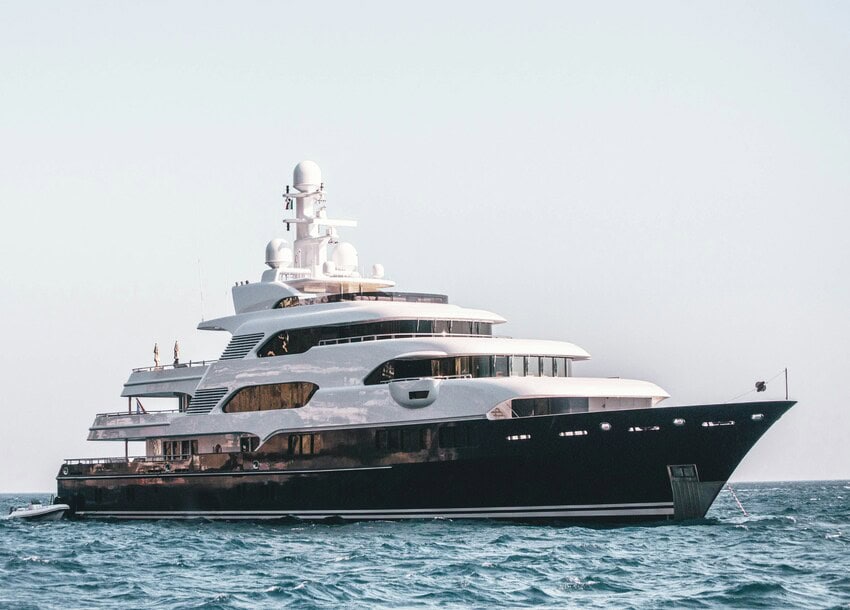
Becoming a Super yacht chef is one of the most searched-for chef career paths because it combines strong pay, global travel and serious career prestige, but the reality is much tougher than the glossy version people often see online. If you are looking into how to become a super yacht chef, current super yacht chef jobs or what a super yacht chef salary could pay you, its important to get the full picture of what’s involved before taking the next steps.
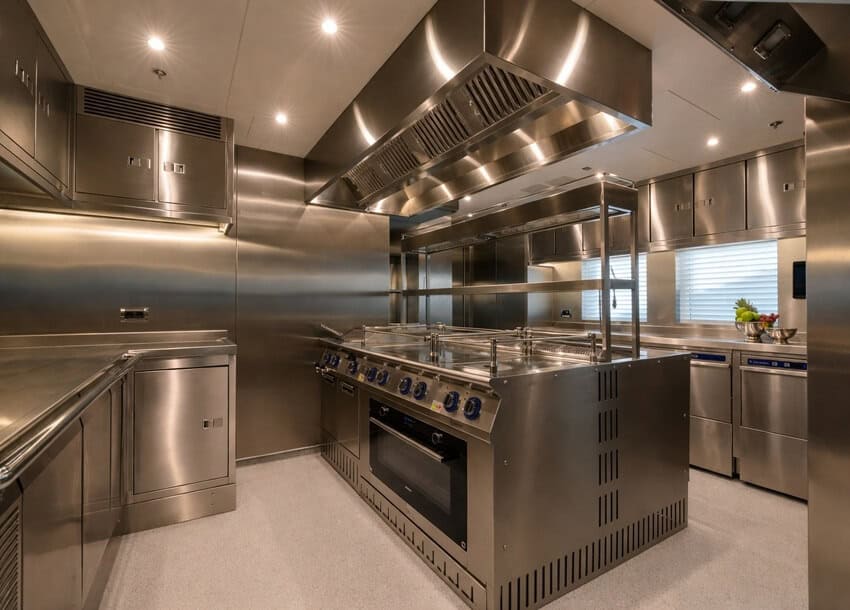
Being a super yacht chef is not your standard chef job. You’ll be cooking in a compact galley, often for both guests and crew, with high expectations, changing requests, limited storage and long hours. But, at the same time, it can be one of the most financially rewarding chef roles available, especially if you want to save money quickly and build experience in a very different environment.
In this guide, we break down what a super yacht chef actually does, what a typical day looks like, how much a chef on a super yacht makes, what qualifications you need, the different job levels on board, and whether this path is genuinely worth it.
What is a super yacht chef?
A super yacht chef is the chef responsible for food on board a yacht, whether that means cooking for guests, crew, or both. On smaller yachts, one chef may handle the entire food operation alone. On larger yachts, there may be a more structured galley team with separate roles such as crew chef, sous chef and head/exec chef.
What makes the role different from a land-based kitchen is not just the setting. It is the combination of pressure, logistics and unpredictability.
A super yacht chef is usually responsible for:
- Planning guest and crew menus.
- Managing dietary requirements and allergies.
- Provisioning ingredients in advance.
- Cooking across multiple services each day.
- Cleaning and maintaining the galley.
- Adapting menus when guest plans change.
On land, if you run out of an ingredient, a supplier or local shop may solve the problem quickly. At sea, or in a remote location, that is not always possible. That means a super yacht chef needs to think ahead, build back-up plans and stay calm when things change.
The guest side of the role is where expectations become especially high. Owners and charter guests often expect restaurant-level food, tailored to their tastes, every single day. One guest may want plant-based dishes, another may avoid gluten, another may want a tasting-style dinner, and another may ask for comfort food late at night. Delivering all of that in a small galley is a very different challenge from running a section in a restaurant.
This is why the role attracts attention. It is not just about cooking well. It is about being organised, versatile, resilient and able to perform in a high-pressure environment without much room for error.
What does a typical day look like for a super yacht chef?
A typical day for a super yacht chef is long, layered and built around constant service.
When guests are on board, the day often starts early, sometimes around 5:30am. Breakfast prep usually comes first, and that may include breads, pastries, cooked breakfasts, fruit, juices and lighter options depending on the guest preference sheet. At the same time, crew food may also need to be underway.
From there, the day moves quickly into lunch prep. Unlike many restaurant roles, service does not always happen in one clean block. Guests may eat at different times, request food in different parts of the yacht, or change plans entirely. That means the galley is often handling:
- Guest breakfast.
- Crew breakfast or brunch.
- Lunch prep.
- Snacks and drinks.
- Early canapé work.
- Dinner prep.
That overlap is one of the biggest differences in the job. There is rarely a clean pause where one service ends and the next begins.
A super yacht chef may also spend part of the day:
- Checking stock and storage.
- Reworking menus based on location.
- Speaking to guests or chief stews about service timings.
- Handling special requests.
- Preparing food for excursions or beach setups.
Once lunch is out, dinner prep usually ramps up further. Crew dinner often needs to be served before guest dinner, which adds another layer of planning. Guest dinner itself might be a relaxed family-style meal, a multi-course plated service, or a more formal tasting menu.
After that, the job is still not finished. There is a full galley clean-down, prep for the next morning, doughs or pastries to start, and sometimes late-night guest requests. If someone wants food at midnight or later, the chef is still the one expected to make it happen.
During busy charter periods, 15 to 17 hour days are not unusual. That is why so many chefs say the glamour is real, but so is the grind.
Super yacht chef salary – what can you actually earn?
This is one of the main reasons people search for the role, and rightly so. A Super yacht chef salary can be significantly stronger than a comparable land-based role, particularly once you factor in tips and low living costs.
How much does a super yacht chef make?
A super yacht chef can earn anywhere from around €2,000 per month in entry-level galley roles to €10,000+ per month in senior head chef or exec chef positions on larger yachts. The exact salary depends on yacht size, your level of responsibility, your experience, and whether the yacht is private or charter-focused.
Typical salary ranges by role are:
- Galley hand: around €2,000 to €3,500 per month.
- Crew chef: around €3,500 to €5,000 per month.
- Sous chef: around €5,000 to €6,500 per month.
- Head chef on a mid-size yacht: around €5,000 to €7,000 per month.
- Head chef on a large yacht: around €7,000 to €10,000+ per month.
What does a chef on a super yacht make after tips?
This is where the numbers become even more attractive. On charter yachts, guests often tip between 5% and 15% of the charter fee, and that is split across the crew. The exact amount each person receives varies, but it can add meaningful extra income across a season.
For a chef, that may mean:
- Additional income during busy charter weeks.
- Stronger seasonal earnings overall.
- Better savings potential than an equivalent restaurant role.
How much does a chef get paid on a super yacht compared with land-based roles?
In many cases, a chef on a super yacht earns more than they would in a kitchen role on land, especially when you factor in that:
- Accommodation is usually covered.
- Food is covered.
- Some travel costs may be covered.
- Daily personal spending can be lower.
That means the answer to how much does a chef earn on a super yacht is not just about monthly salary. It is also about what you keep. Many chefs move into yachting specifically to build savings, clear debt, or create more financial breathing room in a shorter period of time.
That said, the money comes with clear trade-offs. The hours are longer, the pressure is higher, and the boundary between work and personal life is much thinner.
How to become a super yacht chef
If you are serious about getting into the industry, there is a practical route in. It is not instant, and it is not as simple as many think, but it is achievable if you approach it properly.
Get experience on land
Most chefs do not walk straight into a yacht role from college. Strong land-based kitchen experience still matters.
Experience in restaurants helps you build:
- Technical cooking ability.
- Speed under pressure.
- Consistency in service.
- Discipline and kitchen standards.
High-end and high-volume kitchens can be especially useful because they prepare you for long hours, expectation management and structured execution. Even if the yacht setting is different, the fundamentals still carry over.
Get the required certifications
You cannot work on a yacht without the right paperwork. These are entry requirements, not nice-to-haves.
The baseline qualifications are usually:
- STCW certification, covering basic safety training at sea.
- ENG1 medical certificate, confirming you are fit to work on board.
Many chefs also complete a Ship’s Cook Certificate. This is especially useful if you want to strengthen your credibility and improve your chances of landing better roles. It can show that you have been assessed in areas such as:
- Savoury cooking.
- Pastry and bread work.
- Butchery.
- Food safety.
- Provisioning knowledge.
If you are researching super yacht chef training, these qualifications are the core starting point.
Understand how yacht hiring really works
One of the biggest mistakes people make is assuming yacht recruitment works like standard hospitality hiring. It does not.
Super yacht chef jobs are often filled through:
- Specialist crew agencies.
- Direct recommendations.
- Captains or heads of department.
- Networking in key yachting locations.
That means you need to be proactive. Registering with reputable crew agencies is important, but so is understanding that relationships matter. The industry can be highly network-driven, especially at the entry level where attitude, presentation and availability all matter.
Go where the work is
Location matters more than many people realise.
Seasonal hiring tends to centre around major yachting hubs such as:
- Antibes.
- Palma.
- Fort Lauderdale.
- Caribbean hubs during winter season.
Being physically present can make a major difference, especially when looking for your first role. Many candidates find work through direct introductions, dock walking and last-minute opportunities that do not always appear in a polished, public job ad.
Build a strong food portfolio
A yacht chef needs proof, not just a CV. A strong portfolio should include:
- Clear, high-quality photos of your dishes.
- Sample menus.
- Evidence of range across cuisines.
- Examples of dietary flexibility.
This helps agencies, captains and employers understand your standard and style quickly. Social media can also help here, not because you need to become an influencer, but because it creates a visible record of your work.
Start at the right level
Not everyone starts as a head chef, and trying to skip levels can work against you.
A more realistic starting point may be:
- Galley hand.
- Crew chef.
- Cook/stew.
- Sous chef on a larger yacht.
Progression tends to come from performance, reliability and reputation. In yachting, taking the right first role is often more valuable than forcing your way into the wrong one too early.
Types of super yacht chef jobs
There is no single version of this career. The type of role you go for should depend on your experience and what kind of yacht environment suits you.
Galley Hand
This is one of the most entry-level roles in the galley team. It is usually focused on support rather than leading food production.
Typical responsibilities include:
- Cleaning the galley and equipment.
- Maintaining order during service.
- Supporting chefs with basic prep.
It can be a valuable route in for someone who wants first-hand exposure to yacht life before stepping into a bigger cooking role.
Crew Chef
The crew chef focuses on feeding the crew rather than the guests. This role still matters enormously because crew need reliable, well-balanced food to get through demanding shifts.
A crew chef is often responsible for:
- Menu planning for the crew.
- Catering for dietary requirements.
- Producing consistent, filling meals daily.
For a chef moving from land into yachting, this can be a very sensible entry point.
Cook/Stew
Usually found on smaller yachts, this is a hybrid role that combines cooking with interior duties.
That may include:
- Cooking for guests and crew.
- Supporting housekeeping or service.
- Helping wherever needed on board.
It is demanding, but it can be a practical first step if you are trying to enter the industry.
Sous Chef
On larger yachts, the sous chef supports the head chef and may split responsibilities across guest and crew food.
This role often involves:
- Preparing elements of guest dining.
- Covering parts of service.
- Supporting provisioning and prep.
It is a solid mid-level role for chefs with stronger experience who want yacht exposure without carrying the whole galley alone.
Head Chef
The head chef is responsible for the full food operation.
That typically includes:
- Guest menu design.
- High-end execution.
- Managing dietary needs.
- Provisioning in difficult locations.
- Maintaining standards across all service.
This is the most visible and pressured galley role, and it usually goes to chefs with stronger experience either on yachts, in high-end restaurants, or both.
Skills and traits you actually need
Technical ability matters, but it is not enough on its own. The job demands a specific mindset.
Organisation
A super yacht chef needs to plan ahead constantly. Limited storage, changing guest numbers and multiple overlapping services can become chaos without strong organisation.
Flexibility
Guests change their minds. Ingredients are not always available. Weather affects service. Timing shifts. You need to adjust fast without letting standards drop.
Creativity
Super yacht chef menus cannot feel repetitive. Guests expect variety, visual appeal and the ability to handle different cuisines and dietary needs without it feeling forced.
Patience
You may prep a dish perfectly and then have service delayed or changed. Staying calm matters. A short fuse is not a strength in this environment.
Resilience
The role can be physically and mentally demanding. Long hours, confined living, guest pressure and limited private space all test your resilience.
The reality of the job – pros and cons
This role gets over-sold in some places and over-dramatised in others. The truth sits in the middle.
The pros
A super yacht chef role can offer:
- Strong earnings.
- Excellent savings potential.
- Travel to high-end destinations.
- Exposure to premium ingredients.
- Rapid personal and professional growth.
For the right chef, it can be a major accelerator.
The cons
The challenges are equally real:
- Long days during charter.
- Limited separation between work and rest.
- Pressure from demanding guests.
- Isolation from normal life.
- High standards every single day.
This is why the role suits some chefs brilliantly and burns others out quickly.
Is being a super yacht chef worth it?
For some chefs, yes. For others, no. It is usually worth it if you want:
- To earn more quickly than you might on land.
- To experience a very different style of chef life.
- To travel and build savings.
- To test yourself in a harder environment.
It may not be worth it if your priority is:
- Work-life balance.
- Stable routine.
- Personal space and privacy.
- A cleaner split between work and home life.
For many people, yachting is not necessarily the forever plan. It can be a stage of a career that helps build money, resilience and experience before moving into another role later such as becoming a personal chef.
Where to find super yacht chef jobs
If you are looking for super yacht chef jobs, treat the process differently from a normal chef search. The main routes are:
Crew agencies
These are often the first and most important route in. Registering with multiple reputable yacht crew agencies increases your exposure to open roles.
Networking
Recommendations matter. Many roles are filled because somebody already in the industry knows someone who is available, reliable and ready.
Yachting hubs
Places like Antibes, Palma and Fort Lauderdale matter because they concentrate opportunity. Being visible in the right place can improve your odds significantly.
Building a reputation
Your CV matters, but so does how you come across. In yachting, presentation, professionalism and proof of ability all play a role in getting hired.
Ready to take the next step?
If this path sounds right for you, your next move should be to build a plan. Start with:
- Stronger land-based experience if needed.
- STCW and ENG1 in place.
- A clear food portfolio.
- A realistic starting level.
- A targeted approach to agencies and hubs.
And if you are still weighing up options, compare this path against other chef roles that may offer progression with more stability. The best move is not always the most glamorous-sounding one. It is the one that fits where you want your career to go.
–
FAQs
How much does a super yacht chef make?
A super yacht chef can make anything from around €2,000 per month in junior galley roles to €10,000+ per month in senior head chef positions, with extra earnings possible through tips on charter yachts.
What does a super yacht chef make on smaller yachts?
On smaller yachts, pay is often lower than on large multi-chef vessels, but the role can still offer strong savings potential because accommodation and food are usually covered.
What qualifications do you need to be a yacht chef?
You usually need STCW certification and an ENG1 medical certificate as a minimum. Many chefs also complete a Ship’s Cook Certificate to strengthen their profile.
Do super yacht chefs get time off?
Yes, but it varies by yacht and contract. Some roles offer rotation, while others offer leave between charters, owner trips or seasons.
How do you get your first yacht chef job?
Build strong kitchen experience, get the right certifications, prepare a solid food portfolio, register with crew agencies and target major yachting hubs where hiring activity is strongest.
Are super yacht chef jobs better than restaurant jobs?
They can be better financially, especially for savings, but they are usually harder in terms of hours, pressure and lifestyle. It depends on what you want from your career.



Comments
Add a comment
Leave a Reply · Cancel reply
You must be logged in to post a comment.
