
Commis Chef Interview Questions: What to Ask (and Why)
- Recruit
- Sep 13
- Share post
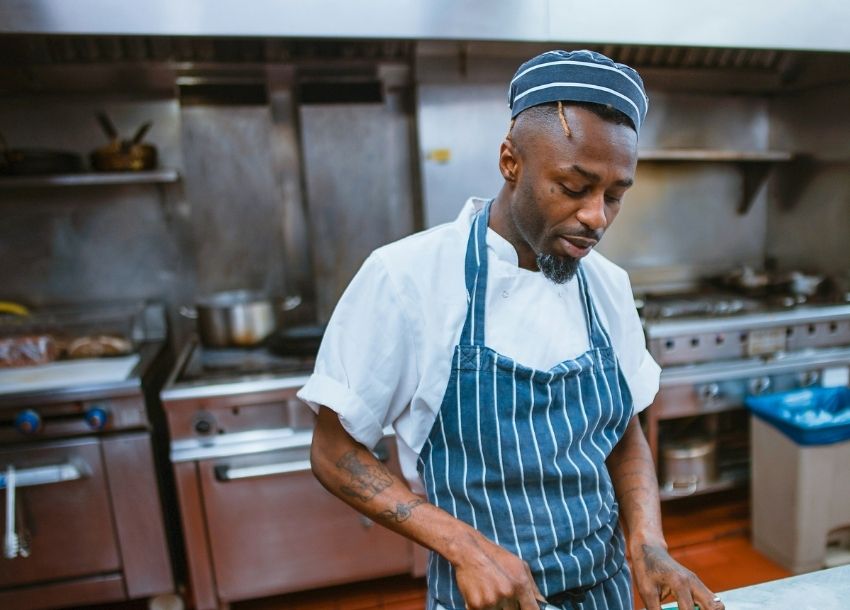
Commis Chef Interview Questions are essential when hiring, because bringing on a commis chef isn’t just about filling a gap in your kitchen brigade. It’s about finding someone with the right attitude, adaptability, and potential to grow into a vital member of your team. A commis chef is often at the very start of their culinary career, so you’re not looking for perfection – you’re looking for promise.
While CVs and references can give you a basic outline of a candidate’s experience and a trial shift can show how they handle service, it’s the interview that offers the clearest insight into their mindset, work ethic, and ability to thrive under pressure.
What to look for in a great Commis Chef
The best commis chefs are eager to learn, dependable and ready to support the team wherever they’re needed. When interviewing, look for candidates who:
- Show a willingness to learn and take direction from senior chefs.
- Demonstrate basic kitchen skills, including safe knife handling and mise en place.
- Remain calm and focused during busy service.
- Display a strong work ethic and reliability.
- Express genuine enthusiasm for building a career in hospitality.
5 Commis Chef interview questions to reveal the right candidate
Tell me about a time you had to learn a new skill quickly in the kitchen?
Why it matters: This question tests adaptability and willingness to learn.
Good answers sound like: They share a clear example of learning a skill under pressure and applying it effectively.
Red flag: They can’t recall a time or show reluctance to take on new challenges.
How do you prepare your workstation before service?
Why it matters: Reveals understanding of organisation and mise en place.
Good answers sound like: They outline a methodical approach cleaning surfaces, arranging utensils, prepping ingredients.
Red flag: They give a vague answer or overlook basic hygiene and organisation.
What’s the most challenging dish or prep task you’ve worked on?
Why it matters: Tests problem-solving and resilience.
Good answers sound like: They describe a challenging task, explain how they managed it and what they learned.
Red flag: They focus only on the difficulty without explaining solutions or learning outcomes.
How do you handle feedback from senior chefs?
Why it matters: Shows openness to guidance and professional growth.
Good answers sound like: They give examples of accepting constructive criticism and acting on it.
Red flag: They become defensive or dismissive about feedback.
Where do you see your career in the next three years?
Why it matters: Reveals ambition and long-term fit within your kitchen.
Good answers sound like: They express a desire to progress through the ranks and develop their skills.
Red flag: They lack clear goals or show no interest in career development.
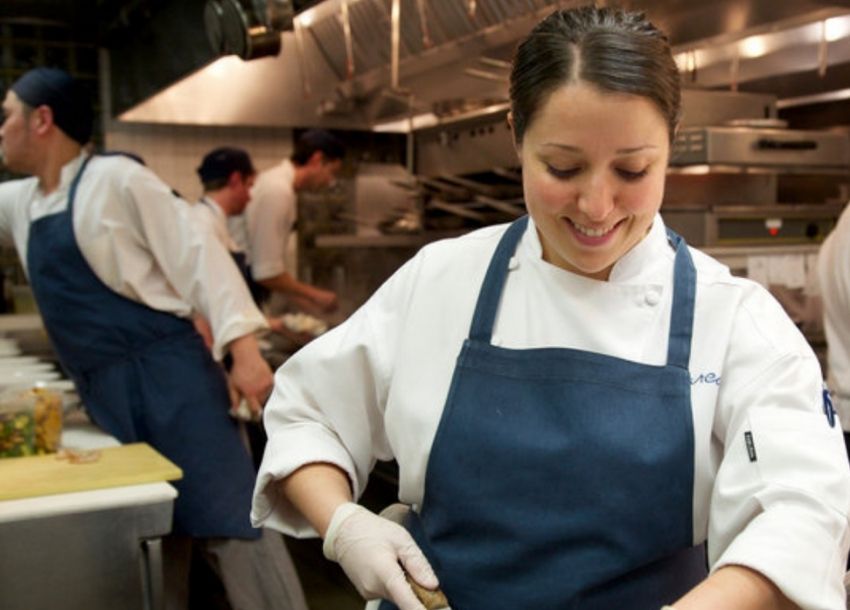
Bonus – What to watch for in a trial shift
A trial shift can reveal qualities an interview alone can’t. Look for:
- Punctuality and readiness to work.
- Proper use of knives and safe working practices.
- Ability to follow instructions accurately the first time.
- Awareness of and support for the rest of the team.
- Cleanliness and organisation of their workstation.
Additional Commis Chef interview questions
Below are some additional interview questions that can be used:
- Why do you want to work as a commis chef in our kitchen?
- How do you organise your prep work before service?
- Describe a time you supported another section during a busy service?
- How do you ensure you maintain hygiene and food safety standards?
- How do you handle feedback or instructions you don’t fully understand?
Final thoughts
A great commis chef is an investment in the future of your kitchen. By asking the right interview questions and paying attention to attitude as much as ability, you can bring in a team member who will grow with your business.
–
FAQs – Commis Chef interview questions
Should I focus on technical skills or attitude when hiring a commis chef?
Attitude and cultural fit is often more important – technical skills can be taught, but reliability and willingness to learn are essential.
How long should a commis chef interview last?
Usually 30–45 minutes, ideally followed by a short trial shift to assess practical skills.
Should I give a practical skills test?
Yes, even a simple chopping or basic dish prep task can show attention to detail and knife skills.
Can I hire someone with no professional kitchen experience?
Yes, if they show enthusiasm, a strong work ethic and a willingness to learn.
What’s the best way to assess reliability?
Ask situational questions about punctuality, teamwork and handling pressure, then confirm through references.

Comments
Add a comment
Leave a Reply · Cancel reply
You must be logged in to post a comment.

